MySQL and SQLite often use different function names for the same functionality – for example, MySQL’s IF() requires CASE WHEN in SQLite. Laravel 10’s new Database Expression feature handles this elegantly.
The Old Way: Checking the Database Driver with when
MySQL’s IF throws no such function on SQLite, so you’d have to write:
 1
 2
 3
 4
 5
 6
 7
 8
 9
10
11
12
13
14
15
16
17
18
19
20
21
22
23
24
25
26
27
| namespace Tests\Feature;
use Illuminate\Database\MySqlConnection;
use Illuminate\Foundation\Testing\RefreshDatabase;
use Illuminate\Support\Facades\DB;
use Tests\TestCase;
class ExampleTest extends TestCase
{
use RefreshDatabase;
public function test_database_expression(): void
{
$isMySQL = is_a(DB::connection(), MySqlConnection::class);
$result = DB::query()
->when($isMySQL, function ($query) {
return $query->selectRaw('IF(10 > 1, 1, 0) AS value');
})
->when(! $isMySQL, function ($query) {
return $query->selectRaw('CASE WHEN 10 > 1 THEN 1 ELSE 0 END AS value');
})
->first();
self::assertEquals(1, $result->value);
}
}
|
It works, but the code is verbose and messy.
Using Expression to Encapsulate Cross-Database Differences
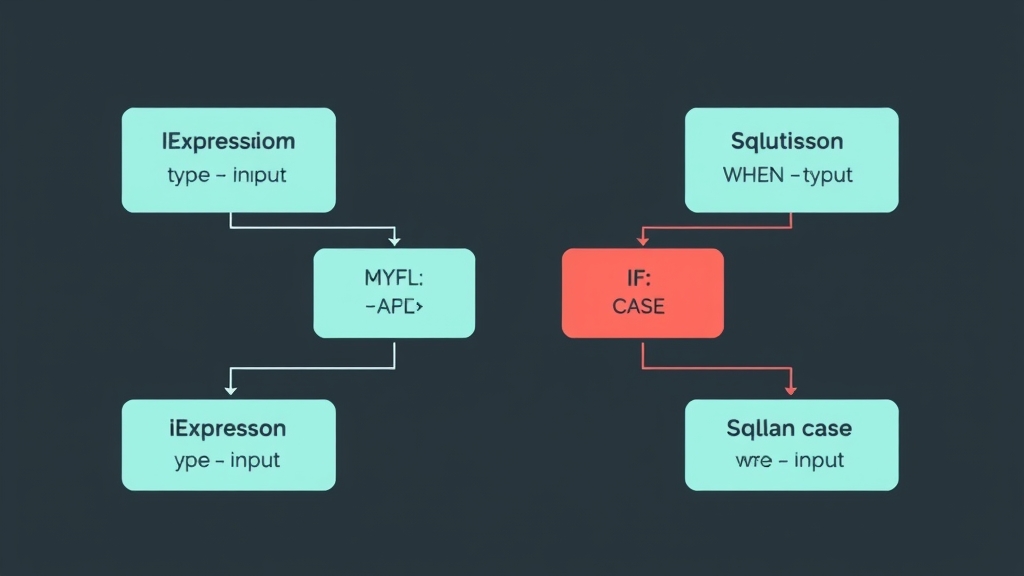
Laravel 10’s Expression interface has a getValue(Grammar $grammar) method that generates the appropriate SQL based on the Grammar type. As described in this PR, this is exactly its intended purpose:
 1
 2
 3
 4
 5
 6
 7
 8
 9
10
11
12
13
14
15
16
17
18
19
20
21
22
23
24
25
26
27
28
29
30
31
32
33
34
35
36
37
38
39
40
41
| namespace Tests\Feature;
use Illuminate\Contracts\Database\Query\Expression;
use Illuminate\Database\Grammar;
use Illuminate\Database\Query\Grammars\SQLiteGrammar;
use Illuminate\Foundation\Testing\RefreshDatabase;
use Illuminate\Support\Facades\DB;
use Tests\TestCase;
class ExampleTest extends TestCase
{
use RefreshDatabase;
public function test_database_expression(): void
{
$result = DB::query()
->select(new IfExpression('value', '10 > 1', 1, 0))
->first();
self::assertEquals(1, $result->value);
}
}
class IfExpression implements Expression
{
public function __construct(
private readonly string $alias,
private readonly string $condition,
private readonly mixed $true,
private readonly mixed $false
) {
}
public function getValue(Grammar $grammar)
{
return match (get_class($grammar)) {
SQLiteGrammar::class => "CASE WHEN $this->condition THEN $this->true ELSE $this->false END AS $this->alias",
default => "IF($this->condition, $this->true, $this->false) AS $this->alias",
};
}
}
|
By encapsulating cross-database differences inside an Expression class, the calling code only needs new IfExpression(...). The code is much cleaner and more reusable.
References